Label Twist Ties: Branding Fresh Produce with Printed Tags
- Share
- From
- HONGDA
- publisher
- HONGDA
- Issue Time
- Nov 25,2026
Summary
Label twist ties close a produce bag and carry a brand at the same time. This guide explains how printed tags help fresh produce stand out, what to print, and how to use them well.
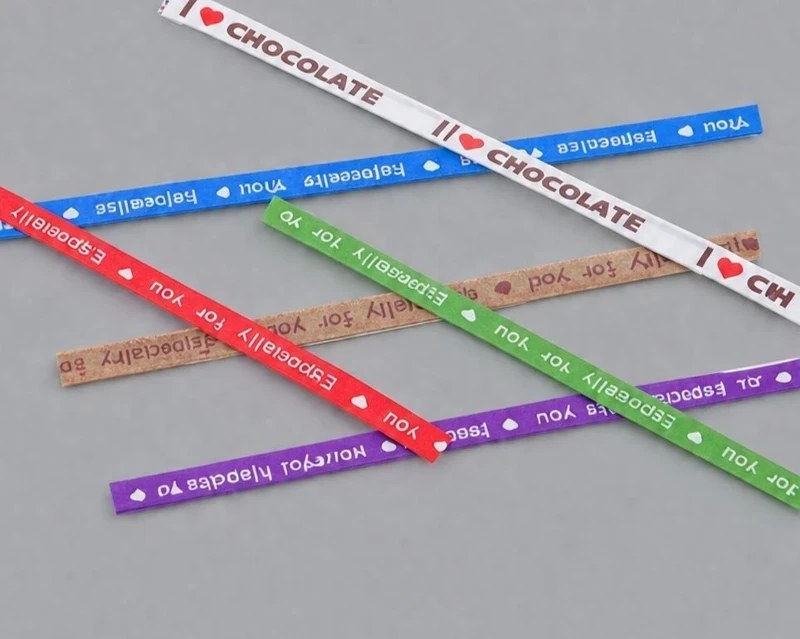
A Closure That Also Carries a Brand
In a fresh produce aisle, most bags look alike: clear film, green leaves, and a twist at the top. The bag that a shopper picks up is often the one that tells them something, and a label twist tie is the cheapest way to make a bag speak. A label twist tie is a twist tie with a printed tag, a small flat label attached to the wire, that closes the bag in the usual way and at the same time carries a name, a product, or a message. The closure and the brand become one item, so there is no extra label to stick on, no extra step on the packing line, and nothing to fall off in the shop. For a grower, a packer, or a farm shop, that is a useful combination: the bag is closed properly, and the produce inside it is identified.
What to Print on a Label Twist Tie
The tag is small, so what is printed on it must earn its place. The first line is usually the brand or farm name, because that is what a returning customer looks for. Next comes the product itself, in plain words: spring onions, carrots, herbs, or whatever is in the bag, so that a shopper does not have to guess. Many growers also add the place where the produce was grown, which matters to customers who buy local produce, and a code that the till can use, such as a price look-up number, which helps the shop as much as the shopper. Some tags carry a harvest or packing date, storage advice, or a short note about how the produce was grown. What should not be printed is everything at once: a tag crowded with small text is hard to read and looks untidy. Two or three clear lines, in words a shopper can read at arm's length, are worth more than a paragraph in tiny print.
Designing a Tag Shoppers Can Read
A good label twist tie is designed for the shelf, not for the desk. The text should be large enough to read quickly, with strong contrast between the letters and the tag: dark print on a light tag, or light print on a dark tag, rather than colours that are close together. The brand name should be the most visible element, and the product name should come next, because those are the two things a shopper reads first. Colour can help, too: a different colour for each product makes it easier for staff to sort bags and for shoppers to find what they want, and a colour that matches the farm's other packaging makes the brand easier to recognise. Print on both sides of the tag if there is room, so the name is visible whichever way the bag is placed on the shelf, and check the print at a distance, in the light of a shop, before ordering a large quantity. A tag that looks good close up but cannot be read from a metre away has not done its job.
Using Label Twist Ties on the Packing Line
On the packing line, a label twist tie is used in the same way as an ordinary twist tie, which is one of its advantages: staff do not need new equipment or long training. The bag is filled, the neck is gathered, and the tie is twisted around it, with the tag left facing outwards so that it can be seen. Two habits make the difference between a tidy line and a messy one. First, keep the tag in the same place on every bag, so that a shelf of produce looks consistent and the brand is easy to find. Second, check the print regularly as the ties are used, because a faded or smudged print undermines the brand it is meant to carry. Order ties in quantities that match the packing season, store them flat and dry so the tags do not curl, and keep a small stock of unprinted ties for the days when a printed run is not needed. Used well, a label twist tie does two jobs for the price of one: it keeps fresh produce closed and fresh, and it puts the grower's name in front of every shopper who picks the bag up.